
The 2026 Checklist: What to Look For
If you’re a builder or designer in Australia, you know that "standard" lighting doesn't always cut it. Between the steaming hot showers of a Melbourne winter and the sideways rain of an Aussie storm, our homes put fittings to the test.
While the "minimum" for a bathroom under AS/NZS 3000 might be IP44, most pros are now speccing IP65 as the baseline. Here’s why it’s the smart move for your next project.
Beyond the Minimum: AS/NZS 3000 Compliance Made Easy
It’s Not Just a "Splash" Proofing
For the professional specifier, the primary concern is the Zonal Classification within a bathroom or ensuite. While IPX4 is technically permitted in certain Zone 2 applications, the IP65 downlight offers a "universal" solution that exceeds safety requirements across Zones 1 and 2. (Check out our full guide here)
We’ve all seen cheap downlights that start flickering after six months because moisture got into the driver.
1. IP44 is tested against splashes.
2. IP65 is tested against water jets.
Unlike IP44-rated products, which are only tested against light splashes, IP65 units are tested against low-pressure water jets from any angle. They are engineering for External Soffits and Eaves.This is critical for:
1. Storm Resilience: Protecting the circuit against wind-driven horizontal rain that often bypasses standard soffit depths during Australian storm events.
2. Maintenance: Allowing for the high-pressure cleaning of external facades and soffits without risking water ingress into the electrical system.
Speccing IP65 means the fitting is "dust-tight" and "jet-proof," which basically means fewer maintenance call-backs for you and a longer-lasting light for the client.
Built for the Elements: From Steamy Ensuites to Outdoor Soffits
It’s Not Just a "Splash" Proofing
In 2026, modern Australian architecture favours "wet room" layouts and seamless indoor-outdoor flows. This makes IP65 essential in more than just the ensuite:
1. Directly Above Showers (Zone 1): While AS/NZS 3000 allows IPX4 in some residential zones, IP65 offers superior protection against rising steam that can prematurely age LED drivers.
2. Coastal Soffits & Eaves: If you live within 5km of the coast (like millions of Australians), IP65 fittings provide a tighter seal against corrosive salt air.
3. Modern Laundries: With high-capacity dryers creating significant humidity, IP65 prevents "ghosting" or flickering caused by moisture ingress.
4. Covered Alfresco & Verandahs: Even if rain doesn't hit the light directly, wind-driven mist and morning dew require the "jet-proof" seal of an IP65 rating.
By using IP65 downlights across the whole floor plan, you stop worrying about whether a light is 55cm or 65cm away from the shower rose.
It exceeds the requirements for Zone 1 and Zone 2, giving you a "set and forget" solution that looks uniform across the whole ceiling. No more mixing and matching different-looking fittings just to stay compliant.
Quick tip: IP65 downlights are also a smart upgrade during renovations — especially if you’re unsure how damp an area might get.
Quick Comparison: Why the Upgrade Matters
Specifier’s Summary: IP65 vs. IP44
| The Situation | IP44 (The Minimum) | IP65 (The Pro Choice) |
| Inside the Shower (Zone 1) | Just passes | Handles it easy |
| Steam & Humidity | Can "ghost" over time | Fully sealed against ingress |
| Outdoor Eaves/Soffits | Risky in a storm | The standard for Aussie weather |
| Dusty Roof Cavities | Some ingress possible | Total protection |
Q&A: Why Professionals Spec IP65 Over Standard Fittings
Q: Is IP65 overkill for a bathroom?
A: Not anymore. With the rise of high-power "rain" showerheads and smaller, steamier ensuites, the gap between an IP44 and IP65 fitting is the difference between a 2-year and a 10-year lifespan.
Q: Can I actually use these directly above a shower?
A: Yes. Under the AS/NZS 3000 Wiring Rules, Zone 1 (the area directly above the bath or shower up to 2.5m) requires a minimum of IPX4. Because IP65 is "jet-proof," it's more than qualified for this spot and handles the steam much better than a standard IP44.
Q: “Will they survive a Queensland storm?”
A: When installed under eaves (soffits), yes. They handle the horizontal spray of a storm much better than standard IP20 or IP44 fittings.
Q: Is it okay to hose these down when cleaning the house?
A: While they are "jet-proof" (IPX5), they aren't meant for a high-pressure commercial gurney at point-blank range. A standard garden hose spray is usually fine, but always tell clients not to blast them directly to be safe.
Q: Do I need a different light for the eaves vs. the bathroom?
A: That’s the beauty of it. You can use the same IP65 model for both. It keeps the aesthetic consistent across the house, which designers love, and makes the bulk-buy easier for the builder.
Introducing Our IP65-Rated Downlight Ranges

Architectural IP65 Waterproof Recessed LED Downlight
◉ 12W LED
◉ High CRI options (>80 / >92)
◉ Viewing Angle: 24/36
◉ Non-dim and dimmable versions
◉ Cut-out: 75mm
Compact but powerful — great for targeted lighting in moist areas.

Bathroom IP65 Waterproof Recessed LED Downlight
◉ 8W, 12W, 20W models
◉ Non-dim and dimmable versions
◉ Anti-glare honeycomb louvre (optional)
◉ Viewing Angle: 15/24/38/60
◉ Black or white fitting options
Designed for performance and comfort, indoors or out.

High Output IP65 Waterproof Recessed LED Downlight
◉ 10W, 20W, 30W, 40W models
◉ Low-glare light
◉ Viewing Angle: 45
◉ White trim with black reflector, white reflector, or satin haze reflector
Ideal when you need brightness and water resistance in one.
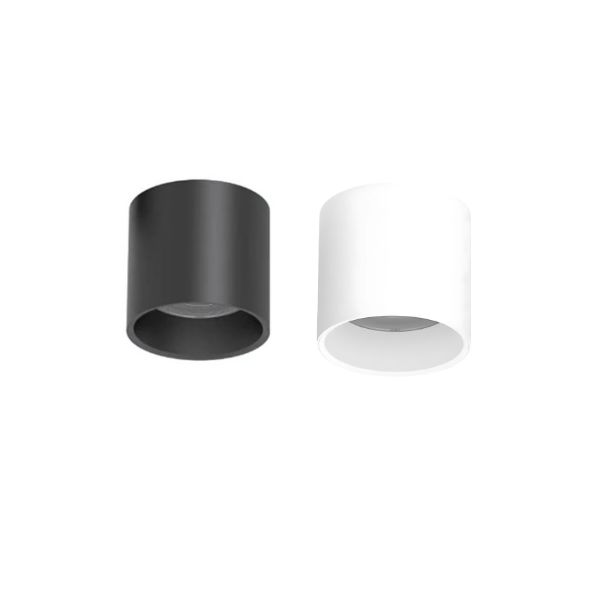
Waterproof Surface Mounted Cylinder Light
◉ 20W, 30W, 40W, 50W models
◉ High CRI options (>80 / >92)
◉ Viewing Angle: 55
◉ Non-dim and trailing edge
◉ Black or white fitting options
Great for residential and commercial projects

Surface Mount IP65 Waterproof LED Downlight
◉ 20W, 30W models
◉ Non-dim
◉ Viewing Angle: 25/38/60
◉ Black or white fitting options
◉ Also available with diffused SMD version
Ideal for kitchens, alfresco areas, and residential living zones.
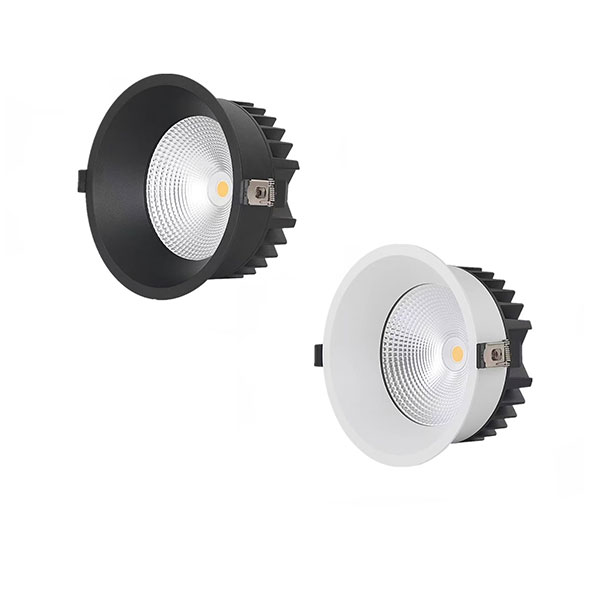
COB IP65 Waterproof Recessed LED Downlight
◉ 12W, 20W, 30W, 40W models
◉ Non-dim and dimmable versions
◉ Viewing Angle: 50/60/80
◉ Black or white fitting options
◉ Deep-set COB light source with clear diffuser
Best for hotel and restaurant fit-outs, large alfresco structures, and high-ceiling wet areas
Ready to Level Up Your Lighting?
For builders and specifiers, it comes down to risk. Choosing an IP65 downlight means you’re installing a fitting that’s built for the actual conditions of an Australian home, not just the "minimum" legal requirement. It’s a small choice that saves a lot of headaches down the track.
Want to explore more bathroom lighting options? Click here to view our full range
